
Charles H. Russell and his family moved to the Yakima Valley in 1910, drawn by the opportunity for a new life made possible by an expanding railroad system and transformational irrigation projects in a dry valley.
In the late 1880s, Northern Pacific Railroad located its new North Yakima depot (now “Yakima”) in the empty shrub-steppe five miles north of Yakima City (now “Union Gap”), which allowed the railroad to lay claim to the unsettled land surrounding the new depot and forced many Yakima City residents and businesses to move north to the new depot site. The railroad, along with entrepreneurial developers, promoted new irrigation projects, with the intention of selling the surrounding land to eager settlers.
In 1898, the parcel of dry shrub-steppe, 6 miles west of North Yakima, that would become the Charles H. Russell ranch was purchased from Northern Pacific Railroad by private land speculators. In 1906, the property was signed onto the new Yakima-Tieton irrigation project and sold a year later to the Yakima Apple Land Company.
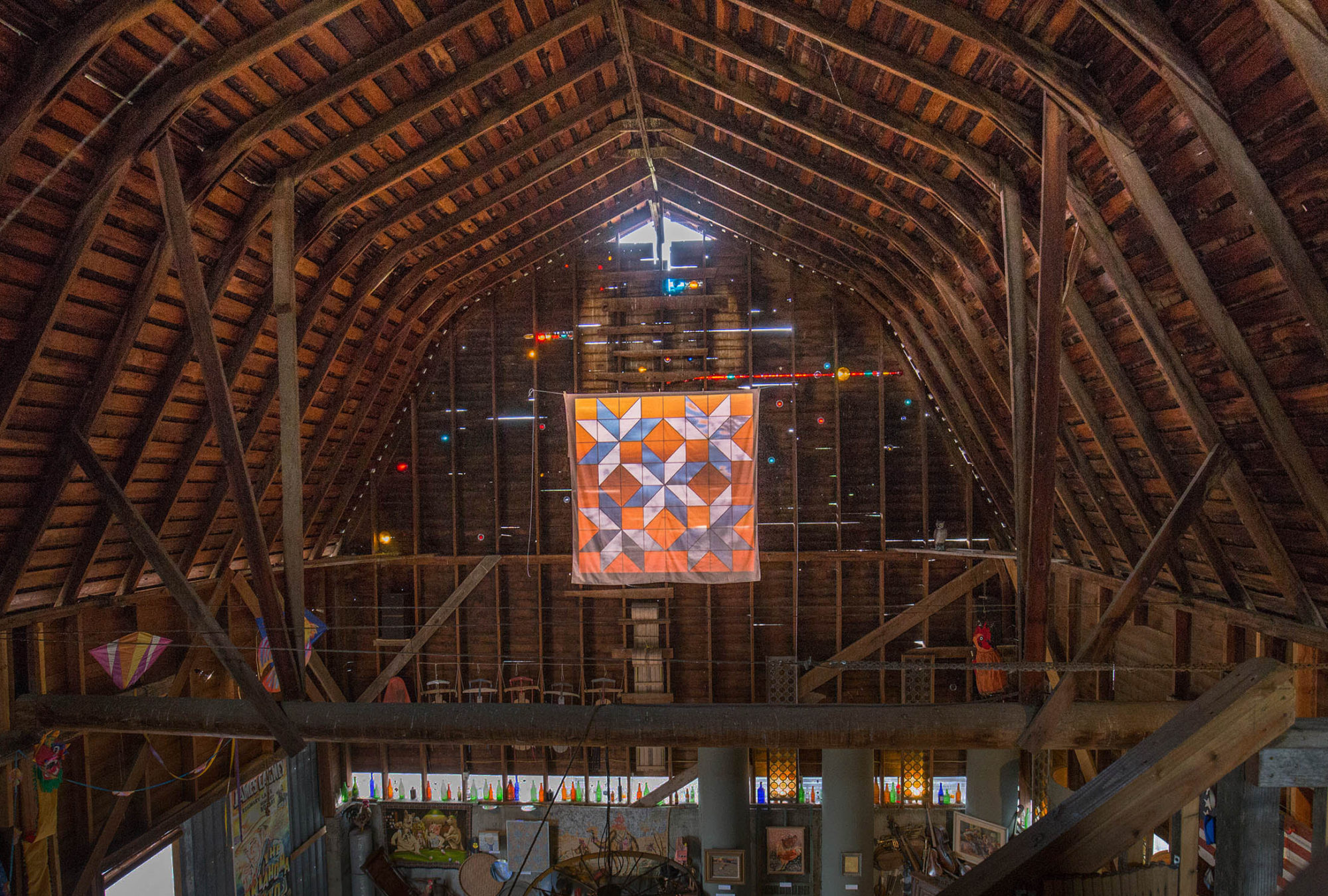
Charles H. Russell purchased 20-acres of that parcel from the Yakima Apple Land Company in 1910. The following year Charles and his two grown sons, with the help of their draught horses Kate and Lena and a horse-drawn Frisco scraper, dug into a hillside and built a barn similar to two barns they had built previously in Montana. (Barn specialists who assessed the barn in 2005 commented on the quality workmanship and unusual roof support structure and framing, unlike any they had seen.) Charles, his wife Mary, and their five children moved into a 20’ x 30’ room on the second floor, just above the cows and horses, for the next few years while they established a farm and orchard and built a house; this room in the barn, now a woodshop, still retains the plain pulp “wallpaper” that covered the walls to keep out the wind and cold. Charles and his sons also helped dig the Yakima-Tieton irrigation ditch that serves the area, using their team of horses and the Frisco scraper, which is still preserved on the property and displayed near the barn. Several years later the ranch property was expanded to 40 acres. The Russells had a mixed farm — dairy cattle, pigs, chickens, work horses, hay, a small garden, and a large orchard of mixed tree fruit, which was their primary business.

Over the following century, the Russell ranch remained in the family, although it was reduced in size several times, due to financial pressures and the portioning off of parcels to family members as they established families of their own. The barn began to tilt and sag in the 1950s. The property ceased to be a commercial orchard in the 1960s. The barn continued to fall into disrepair in the decades that followed.
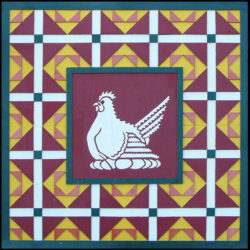
The property, now only 7½ acres with the original barn and house, is owned by Charles H. Russell’s great-granddaughter Peggy and her husband Andy Granitto, who are dedicated to preserving the barn, house, and remaining property. They purchased the property from Peg’s mother Doris (Russell) Roy, saved the barn from ruin (new foundation and “leveling”) and were married in the barn in 2005. The barn was placed on the Washington State Heritage Barn Register in 2007. Since that time, the barn has been continually restored and stabilized, family history has been researched, period outbuildings have been added, and the property — now the Happy Hen Ranch — is used for family gatherings, barn concerts, and is offered to local nonprofits for charitable events and historic tours.


